by Alessia Petrucci
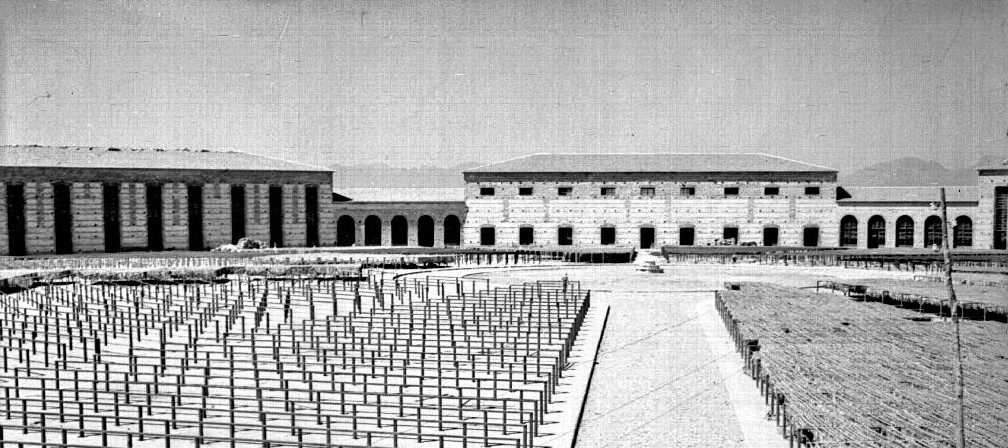
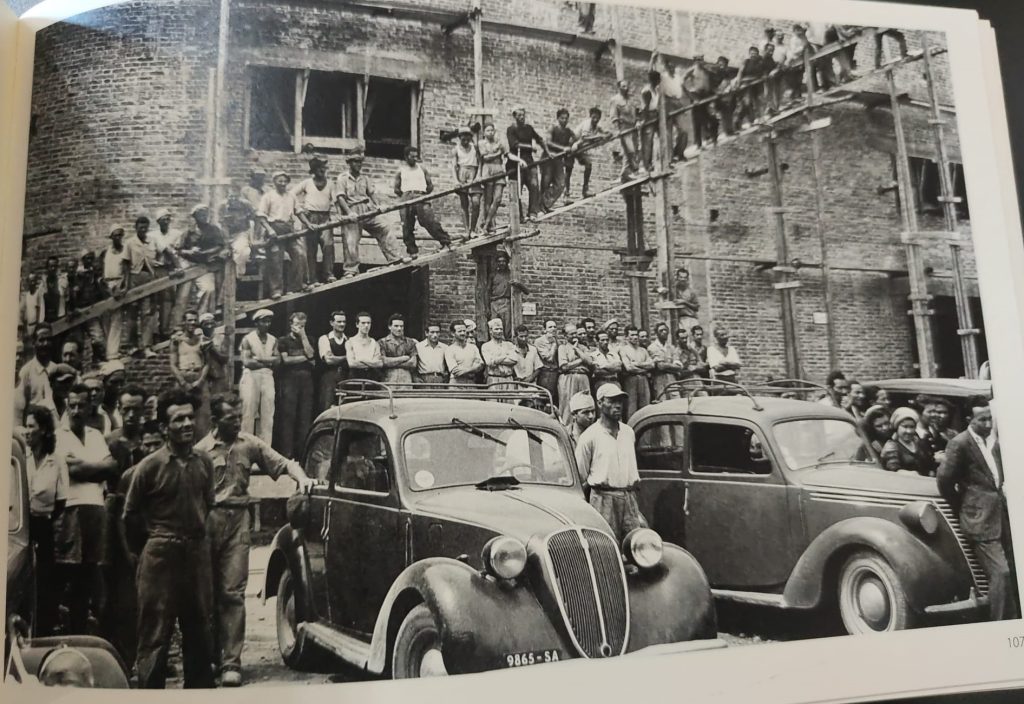
Grazie alla sua estensione e fertilità, l’economia della Piana del Sele si è storicamente basata sull’agricoltura, con diverse coltivazioni che continuano a rappresentare la sua principale risorsa. Questo ha favorito lo sviluppo e l’insediamento nella zona, portando, negli anni precedenti la Seconda Guerra Mondiale, alla nascita di numerose aziende, tra cui i tabacchifici.
In particolare, ricordiamo due di questi stabilimenti: il tabacchificio “Farina” a Battipaglia e il tabacchificio “Salvati” in località Fiocche di Eboli. Costruiti rispettivamente nel 1921 e nel 1941, questi tabacchifici hanno giocato un ruolo significativo nello sviluppo economico e territoriale della Piana del Sele.
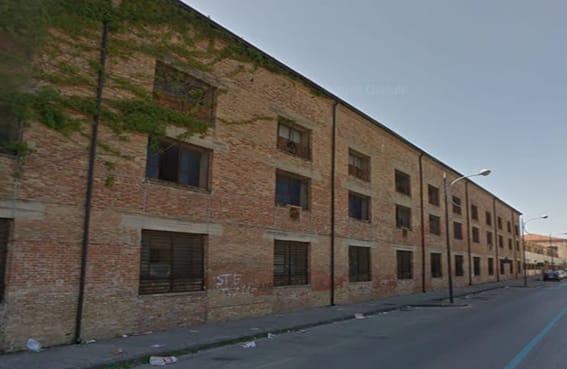
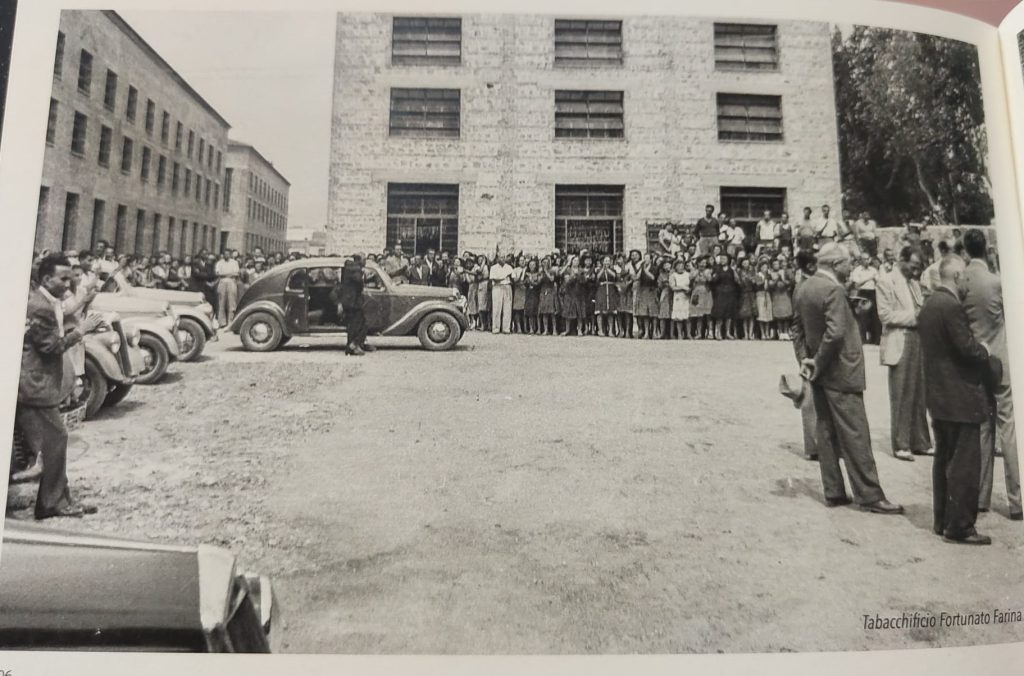
Il tabacchificio “Farina”, situato nell’attuale via Rosa Jemma, fu uno dei più grandi impianti d’Europa per l’essicazione e la lavorazione del tabacco.
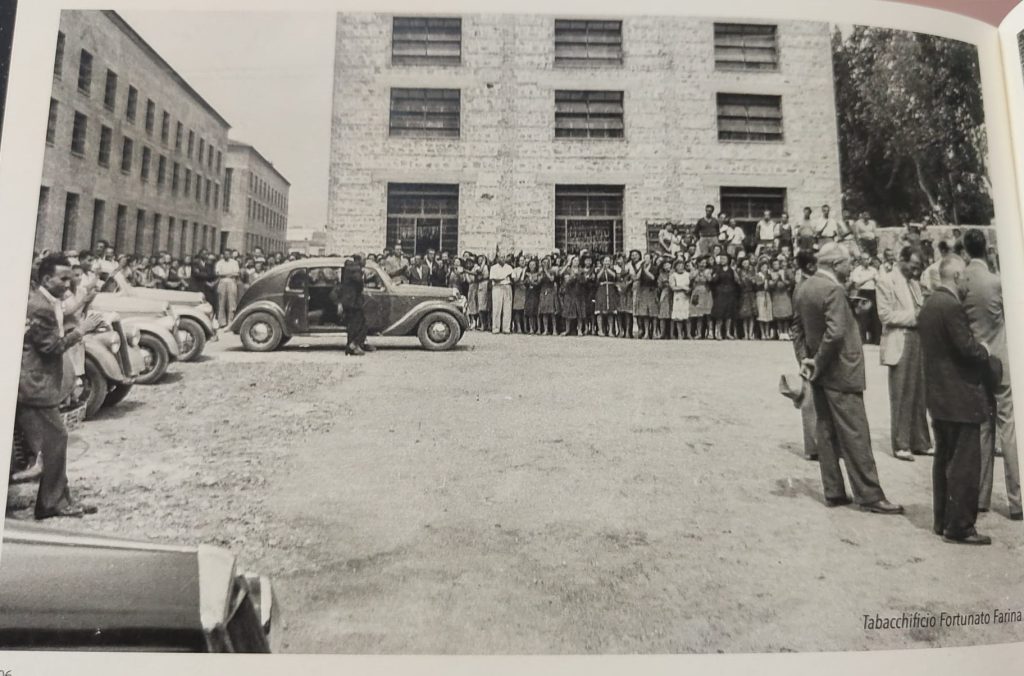
Durante la Seconda Guerra Mondiale, queste strutture assunsero un’importanza particolare. Infatti, dopo i violenti bombardamenti che distrussero gran parte di Battipaglia, il 15 settembre 1943 scoppiò una lunga e cruenta battaglia tra le truppe tedesche e quelle anglo-americane, a seguito dello sbarco a Salerno. I due tabacchifici vennero utilizzati prima come quartier generale dal generale Clark e successivamente come ospedali militari.
Nel periodo successivo alla guerra, la produzione aumentò temporaneamente, poiché le coltivazioni furono spostate a ovest del fiume Sele. Tuttavia, questo aumento fu di breve durata.
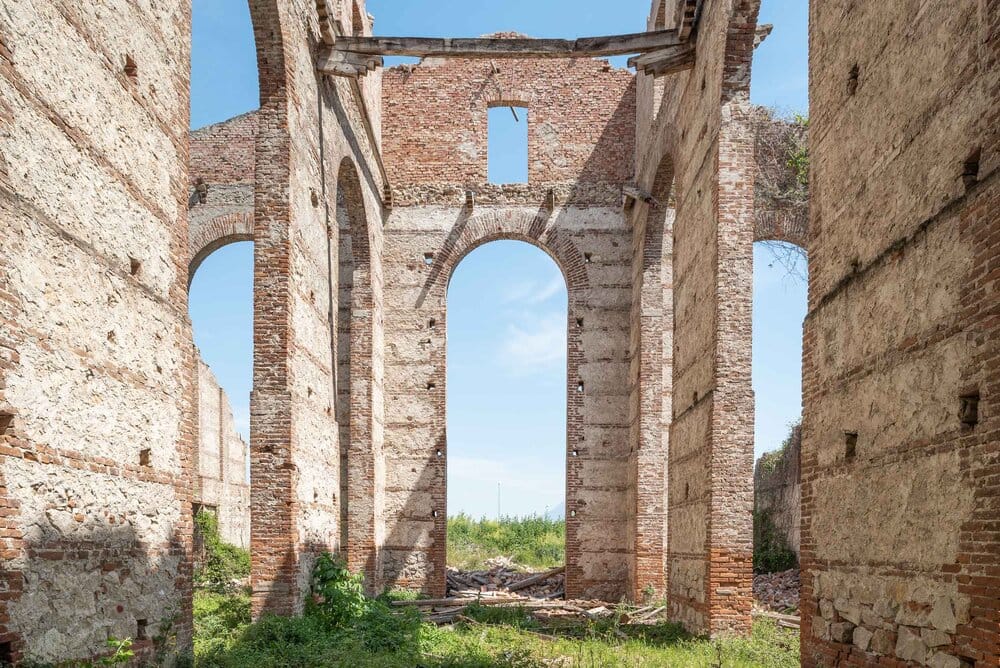
I tabacchifici, ricostruiti dopo il conflitto, sono ancora visibili, ma non accessibili al pubblico a causa delle condizioni precarie e pericolose delle strutture.
Bibliografia
M. de Filitto, Battipaglia le origini
Sitografia
https://www.esserealtrove.it/contenuti/urban-exploration/gli-ex-tabacchifici-della-piana-del-sele
http://www.moamuseum.it/it/touring-operation-avalanche-eboli/
Thanks to their extended and fertile territory, the economy of Piana del Sele was based, and it is still based on,the agricolture of different coltivations. This helped the development and the settlement over time, to construct , in the years before the second outbreak of the war, numerous companies, including tobacco factories.
Partcularly, we remember two of them: the tobacco factories “Farina” in Battipaglia , and “Salvati” in Fiocche di Eboli. These tobacco factories, built respectively in 1921 and 1941, they helped the economic and territorial development of Piana del Sele.
The tobacco factory “Farina” , placed in the actual via Rosa Jemma, was one of the biggest estamblisments (European) for drying and processing tobacco.
These structures became important places even during the Second World War.
In fact, after the violent bombings that laid tothe groudnd Battipaglia , on the 15th of September of 1943 there was a long and bloody battle between German and Anglo-American troops, after the landing of the allies in Salerno. The two tobacco factories were used before as a headquarters from General Clark and later on as a military hospital.
At the end of the war the productions, at first, increased as crops were moved to the left of the Sele river. But all of this was just temporary.
Tobacco factories , reconstructed after the war, are still visible but not visitable because of the precarious and unsafe conditions of the structures.
Grâce à son étendue et à sa fertilité, l’économie de la plaine du Sele s’est historiquement fondée sur l’agriculture, dont les cultures continuent de représenter la principale ressource. Cela a favorisé le développement et l’implantation dans la région, conduisant, dans les années précédant la Seconde Guerre mondiale, à la création de nombreuses entreprises, parmi lesquelles les manufactures de tabac.
Parmi celles-ci, on peut citer deux établissements en particulier : la manufacture de tabac « Farina » à Battipaglia et la manufacture « Salvati », située dans la localité de Fiocche, à Eboli. Construites respectivement en 1921 et en 1941, ces manufactures ont joué un rôle significatif dans le développement économique et territorial de la plaine du Sele.
La manufacture « Farina », située dans l’actuelle rue Rosa Jemma, a été l’un des plus grands complexes d’Europe pour le séchage et la transformation du tabac.
Au cours de la Seconde Guerre mondiale, ces structures ont acquis une importance particulière. En effet, après les violents bombardements qui ont détruit une grande partie de la ville de Battipaglia, une longue et violente bataille a éclaté le 15 septembre 1943 entre les troupes allemandes et les forces anglo-américaines, à la suite du débarquement à Salerne. Les deux manufactures ont d’abord été utilisées comme quartier général par le général Clark, puis comme hôpitaux militaires.
Dans la période qui a suivi la guerre, la production a temporairement augmenté puisque les cultures avaient été déplacées à l’ouest du fleuve Sele. Toutefois, cette hausse n’a été que de courte durée.
Les manufactures de tabac, reconstruites après le conflit, sont encore visibles aujourd’hui, mais elles ne sont pas accessibles au public en raison de l’état précaire et dangereux des structures.
Traduction par Asja Vergati