Subito dopo la dichiarazione di guerra il regime fascista istituì una serie di campi di concentramento sul territorio italiano e vi imprigionò gli ebrei delle nazioni “nemiche” e tanti esuli dei territori occupati dai nazisti che avevano tentato di fuggire dalle feroci persecuzioni dei nazisti. In Italia, benché fosse instaurata la dittatura di Mussolini e dal 1938 fossero già stata emanate le ignominiose leggi razziali, il clima appariva meno lugubre.
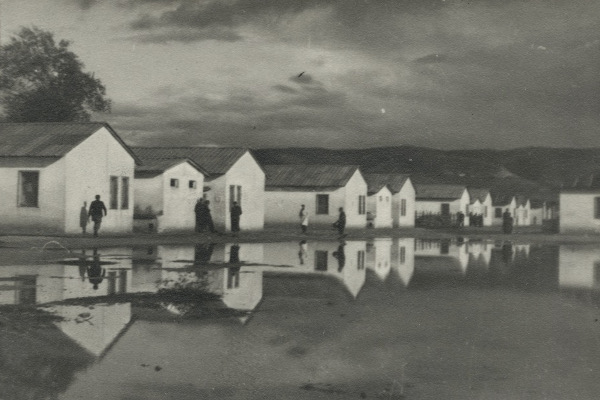
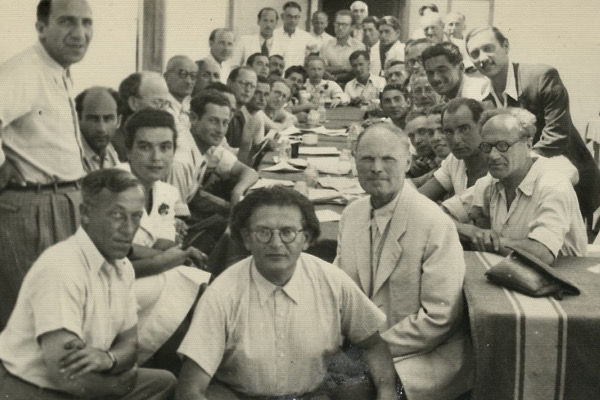
Dottori, ingeneri, artisti e semplici artigiani di tante nazioni furono portati nei campi, già denominati di “concentramento”, una reclusione senza eccessive angherie o torture ma pur sempre reclusione. A Ferramonti di Tarsia in provincia di Cosenza esisteva il più grande di questi campi, che per tipologia di costruzione ricordava i famigerati campi di Germani e Polonia. Era il più grande e vi furono reclusi i anche oppositori deportati dalla Grecia.
L’ottava armata britannica lo liberò nel corso della sua risalita verso Salerno nella manovra a tenaglia che gli alleati avevano ideato per costringere i tedeschi alla resa. Quasi a compensare la lunga prigionia iniziata anni prima il destino volle che questo campo fosse liberato per primo e per primi i suoi ospiti tornarono ad essere uomini, donne e bambini liberi. Negli anni successivi il campo diventò un centro che raccolse gli ebrei sfuggiti al martirio prima della loro partenza verso nazioni lontane e verso la Palestina.
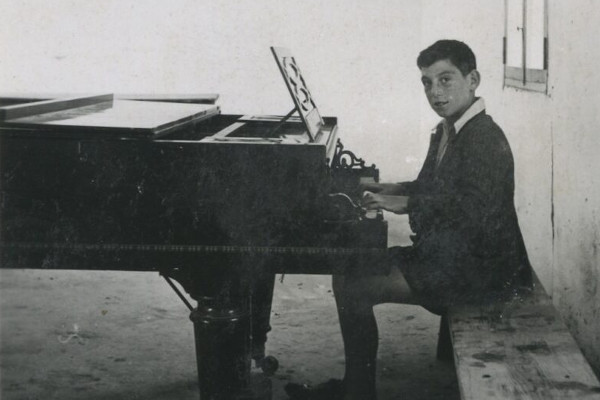
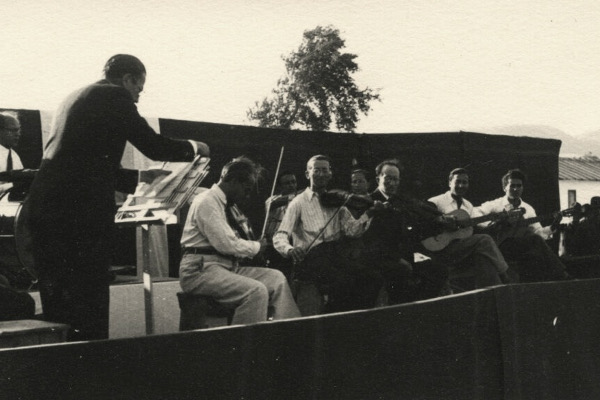
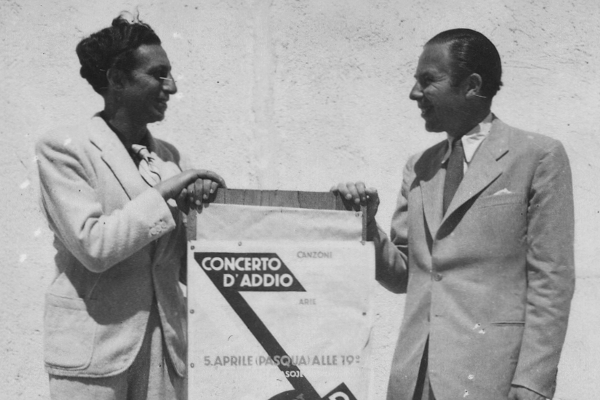
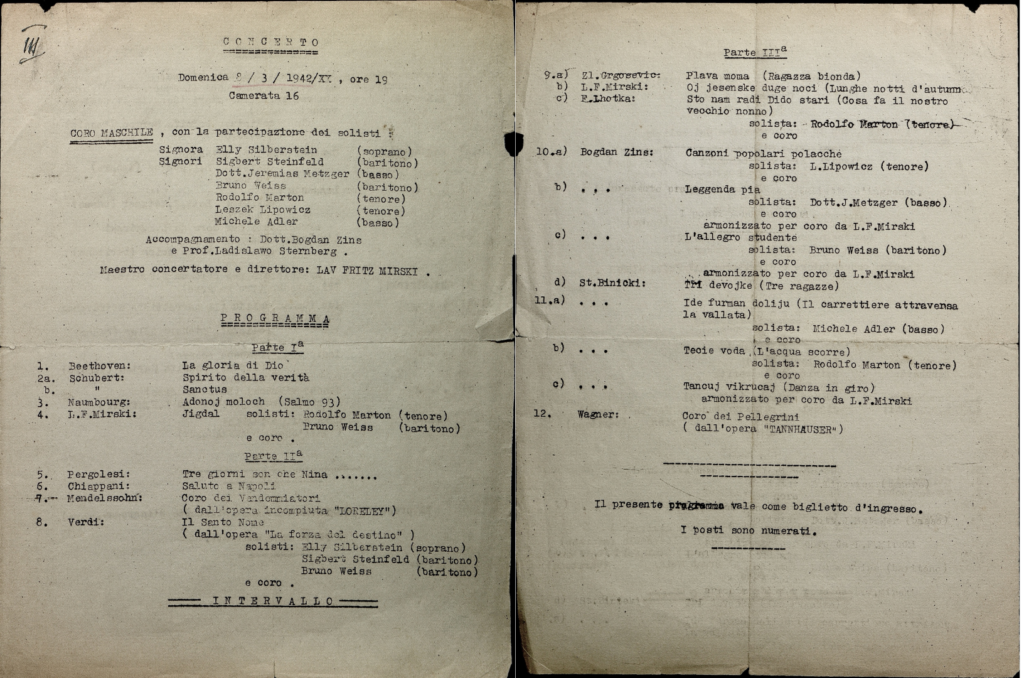
Negli anni di permanenza nel campo gli artisti che vi si trovarono svilupparono una preziosa esperienza di condivisione e sopravvivenza che superò le divisioni sociali e di religione contribuendo a sviluppare lo spirito di resilienza che animò la comunità di Ferramonti. Alcuni dei protagonisti di questa straordinaria vicenda vissuta “agli estremi confini” dell’Italia e dell’Europa furono Il pianista polacco Bogdan Zins, il direttore d’orchestra croato Lav Mirski, il tenore polacco Ziskind Mentlik, il baritono tedesco Sigbert Steinfeld, il compositore ucraino Isko Thaler e il giovane musicista austriaco Kurt Sonnenfeld.
Immediately after the declaration of war, the Fascist regime established a number of concentration camps across Italian territory, where it imprisoned Jews from “enemy” nations and many exiles from Nazi-occupied territories who had attempted to escape the brutal persecutions being carried out. In Italy, although Mussolini’s dictatorship had been in place and the infamous racial laws had already been enacted in 1938, the atmosphere appeared somewhat less grim.
Starting in 1940, doctors, engineers, artists, and ordinary craftsmen and laborers from various nations were brought to these camps—already labeled “concentration camps”—where they were held in detention. While not marked by widespread torture or brutality, it was still imprisonment. Ferramonti di Tarsia, in the province of Cosenza, became the largest of these camps. Set up in a group of barracks previously used by workers, and surrounded by fencing and barbed wire, it structurally resembled the infamous camps of Germany and Poland. It was the largest, and it also held political opponents deported from Greece.
The camp was liberated by the British Eighth Army during its advance northward toward Salerno, part of the pincer maneuver devised by the Allies to force a German retreat. As if to compensate for the long years of captivity, fate had it that this camp would be the first to be liberated—its internees the first to regain their freedom as men, women, and children. In the years that followed, the camp became a shelter for Jews who had escaped persecution, before their eventual departure to distant nations and to Palestine. Ferramonti would later be remembered as the site of the first Kibbutz on European soil.
During their time in the camp, artists and intellectuals who found themselves there created a valuable experience of shared humanity and survival, overcoming social and religious divisions. This collective resilience became a defining trait of the Ferramonti community. Some of the key figures in this extraordinary chapter—lived “at the farthest borders” of Italy and Europe—include Polish pianist Bogdan Zins, Croatian conductor Lav Mirski, Polish tenor Ziskind Mentlik, German baritone Sigbert Steinfeld, Ukrainian composer Isko Thaler, and young Austrian musician Kurt Sonnenfeld.
Their story was recounted in the exhibition “Deported to the Farthest Borders”, curated by Laura Brazzo and Raffaele Deluca, and presented by the CDEC Foundation in Milan, with the web version made possible through the kind collaboration of the cultural association Mubat
Dès la déclaration de guerre, le régime fasciste a institué une série de camps de concentration sur le territoire italien. Il y a emprisonné les ressortissants juifs des nations « ennemies » ainsi que de nombreux exilés venus des territoires occupés par les nazis, qui avaient tenté de fuir leurs terribles persécutions. En Italie, bien que la dictature de Mussolini ait été instaurée et que les ignominieuses lois raciales aient été en vigueur depuis 1938, le climat semblait alors moins lugubre.
Des médecins, des ingénieurs, des artistes et de simples artisans de nombreuses nationalités ont été internés dans ces lieux, déjà appelés « camps de concentration », une réclusion sans excès de sévices ou de tortures, mais qui demeurait, malgré tout, une réclusion. À Ferramonti di Tarsia, dans la province de Cosenza, se trouvait le plus vaste de ces camps, dont la structure rappelait, par sa conception, celle des tristement célèbres camps d’Allemagne et de Pologne. C’était le plus grand, et des opposants politiques déportés depuis la Grèce y ont également été enfermés.
La huitième armée britannique l’a libéré au cours de sa remontée vers Salerne, dans le cadre de la manœuvre en tenaille que les Alliés avaient conçue pour contraindre les Allemands à la reddition. Comme pour compenser la longue captivité commencée des années auparavant, le destin a voulu que ce camp ait été le premier à être libéré, permettant à ses hôtes de redevenir enfin des hommes, des femmes et des enfants libres. Dans les années qui ont suivi, le camp est devenu un centre d’accueil pour les Juifs ayant échappé au martyre, avant leur départ vers des nations lointaines ou vers la Palestine.
Durant leurs années d’internement, les artistes présents au sein du camp ont développé une précieuse expérience de partage et de survie, transcendant les divisions sociales et religieuses et contribuant à forger l’esprit de résilience qui a animé la communauté de Ferramonti. Parmi les protagonistes de cette extraordinaire aventure vécue « aux confins » de l’Italie et de l’Europe, on peut citer le pianiste polonais Bogdan Zins, le chef d’orchestre croate Lav Mirski, le ténor polonais Ziskind Mentlik, le baryton allemand Sigbert Steinfeld, le compositeur ukrainien Isko Thaler et le jeune musicien autrichien Kurt Sonnenfeld.
Traduction par Asja Vergati