Cecilia Conforti
Tra il 1940 e il 1941, la Grecia fu occupata da Italia e Germania, con il governo legittimo in esilio guidato da re Giorgio II. Nei primi anni il governo greco, guidato da Sofoklīs Venizelos, si stabilì al Cairo in Egitto, sotto la protezione dell’esercito inglese.
La Grecia visse in quegli anni un periodo doppiamente doloroso, alle sofferenze e alla repressione da parte degli invasori si aggiunsero i terribili effetti di una gravissima carestia
Durante la guerra infatti la Grecia fu colpita da una gravissima crisi alimentare, passata alla storia come la Grande Carestia del 1941-1942. La tragedia fu strettamente legata all’occupazione delle potenze dell’Asse e provocò la morte di oltre 300.000 persone. Il blocco navale imposto dagli Alleati, le requisizioni di viveri effettuate dagli eserciti occupanti e il crollo dell’economia greca determinarono una situazione di fame diffusa, particolarmente drammatica nelle grandi città come Atene. In molti casi la popolazione, e soprattutto i bambini, fu ridotta a condizioni di estrema denutrizione. Solo nel 1942, grazie all’intervento della Croce Rossa Internazionale e alle pressioni della comunità internazionale, il blocco navale venne parzialmente allentato.
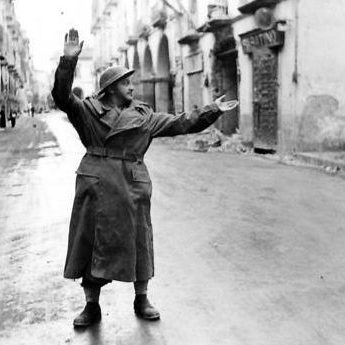
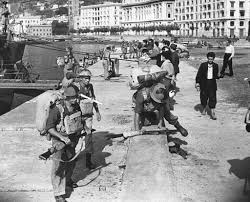
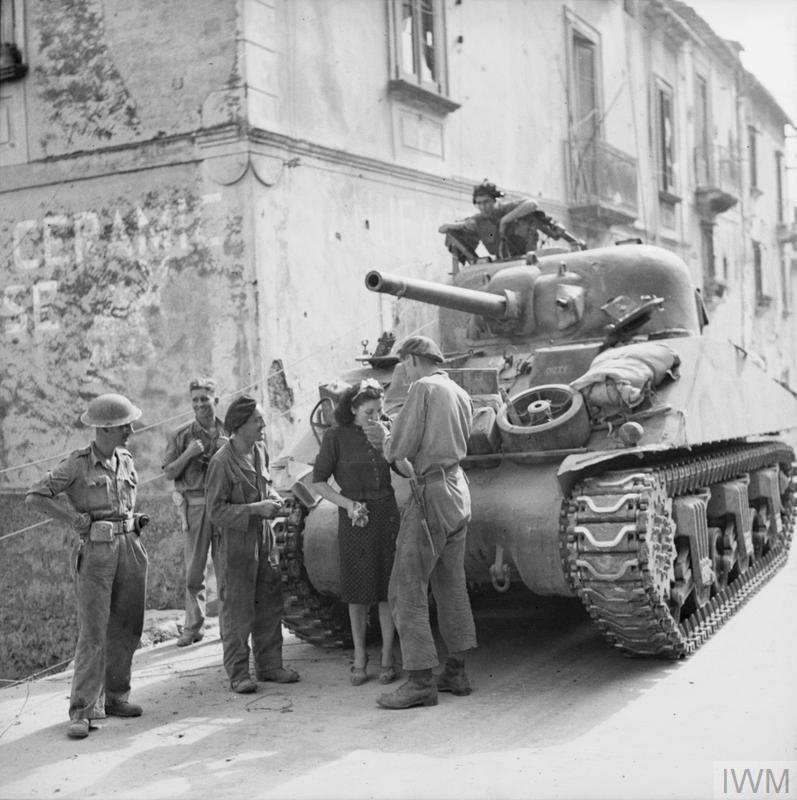
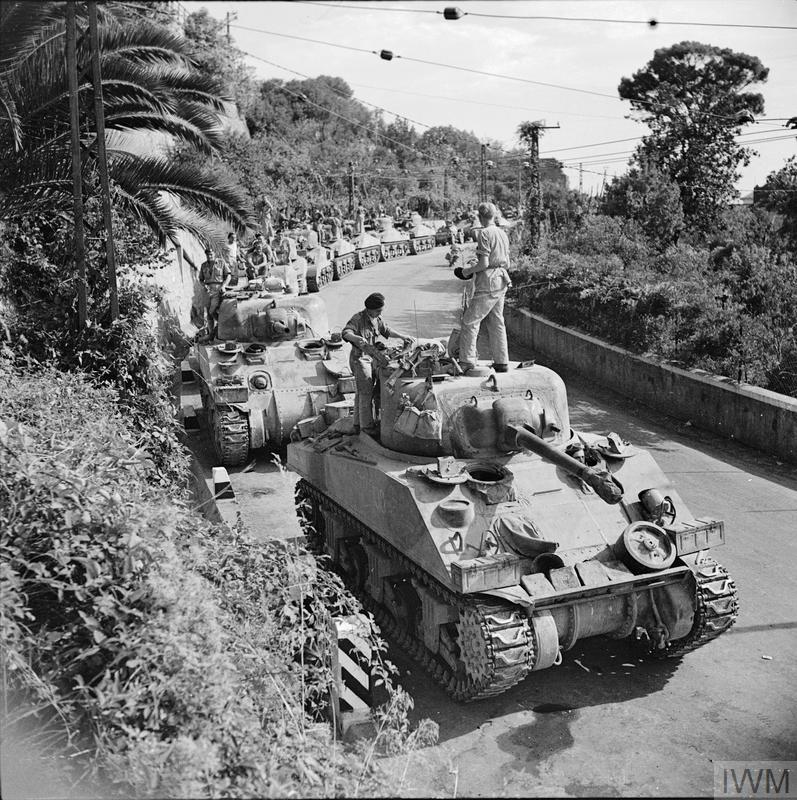
Nel 1943 Cava de’ Tirreni fu coinvolta nelle operazioni legate all’Operazione Avalanche. La città subì i bombardamenti e l’occupazione tedesca seguiti all’arrivo degli Alleati, che la usarono successivamente come base logistica.
Le conseguenze dello sbarco a Salerno ebbero notevole effetto anche in Grecia, con le truppe italiane di occupazione sottoposte a imprigionamenti, decimazioni e deportazioni
Migliaia di soldati italiani presenti in Grecia furono catturati dai tedeschi e deportati verso i campi di prigionia in Germania. Durante i trasferimenti molti di loro morirono a causa degli affondamenti delle navi che li trasportavano – spesso colpite dagli Alleati, ignari della presenza di prigionieri italiani – e per le esecuzioni compiute dalle truppe tedesche. Tra gli episodi più tragici si ricordano l’eccidio della Divisione Acqui a Cefalonia e l’affondamento di diverse navi cariche di prigionieri, come le motonavi Mario Roselli e Ora. Complessivamente, si stima che circa 4.000 militari italianiabbiano perso la vita durante questi trasferimenti.
Dopo lo Sbarco, nel 1944, trovò sede a Cava de’ Tirreni grazie al supporto degli Alleati, sfruttando la vicinanza strategica a Salerno e la sicurezza offerta dalla città.
Between 1940 and 1941, Greece was occupied by Italy and Germany, with the legitimate government in exile led by King George II. In the early years, the Greek government, led by Sofoklīs Venizelos, was based in Cairo, Egypt, under the protection of the British Army.
In those years Greece experienced a doubly painful period: alongside the suffering and repression imposed by the occupying forces came the devastating effects of a severe famine.
During the war, Greece was struck by a major food crisis that later became known as the Great Famine of 1941–1942. This tragedy was closely linked to the occupation by the Axis powers and caused the deaths of more than 300,000 people. The Allied naval blockade, the requisition of food by the occupying armies, and the collapse of the Greek economy created a widespread situation of hunger, particularly dramatic in large cities such as Athens. In many cases the population—especially children—was reduced to conditions of extreme malnutrition. Only in 1942, thanks to the intervention of the International Red Cross and pressure from the international community, was the naval blockade partially eased
In 1943 Cava de’ Tirreni was involved in operations related to Operation Avalanche. The town suffered bombings and German occupation, followed by the arrival of the Allies, who used it as a logistical base.
The consequences of the Allied landing at Salerno also had a significant impact in Greece, where the Italian occupation troops were subjected to imprisonment, decimation, and deportation.
Thousands of Italian soldiers stationed in Greece were captured by German forces and deported to prisoner-of-war camps in Germany. During the transfers many of them died due to the sinking of the ships transporting them—often attacked by Allied forces unaware that Italian prisoners were on board—as well as because of executions carried out by German troops. Among the most tragic episodes were the massacre of the Acqui Division on the island of Cephalonia and the sinking of several ships carrying prisoners, such as the motor vessels Mario Roselli and Oria. Overall, it is estimated that about 4,000 Italian soldiers lost their lives during these transfers.
After the Landing, in 1944, it found refuge in Cava de’ Tirreni, thanks to the support of the Allies, taking advantage of the strategic proximity to Salerno and the security offered by the city.
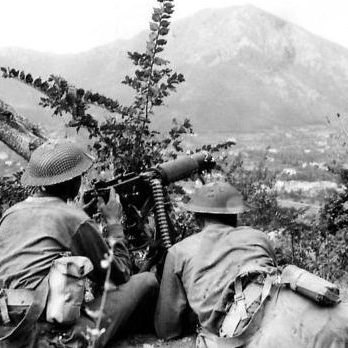
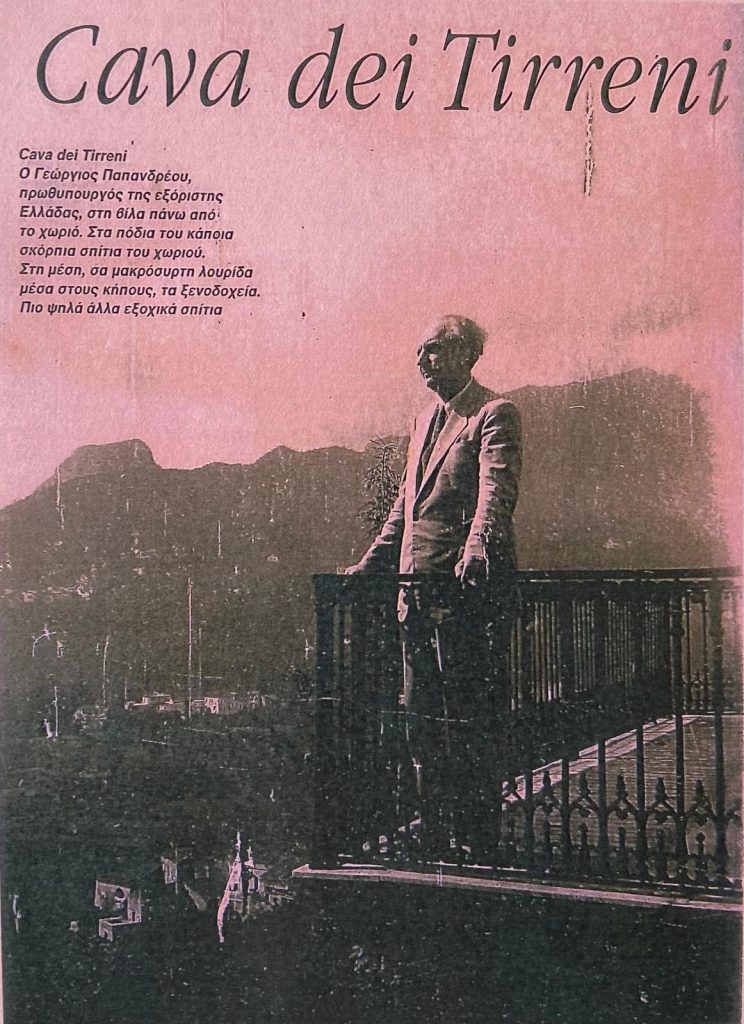
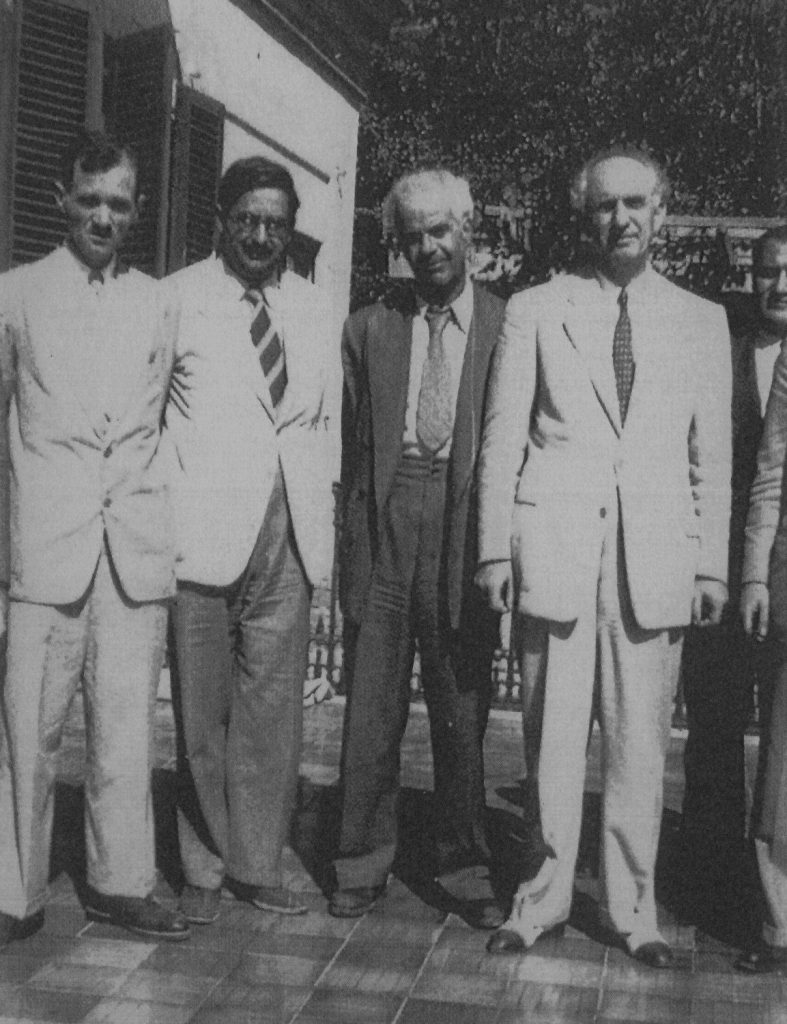
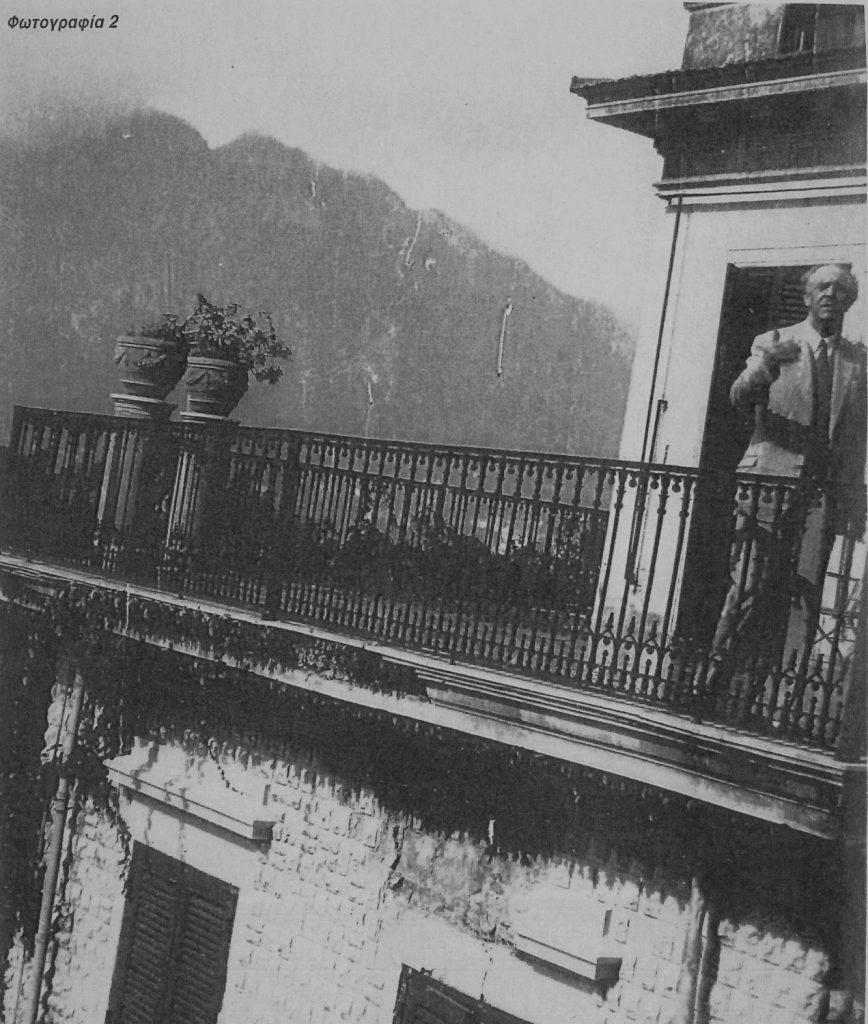
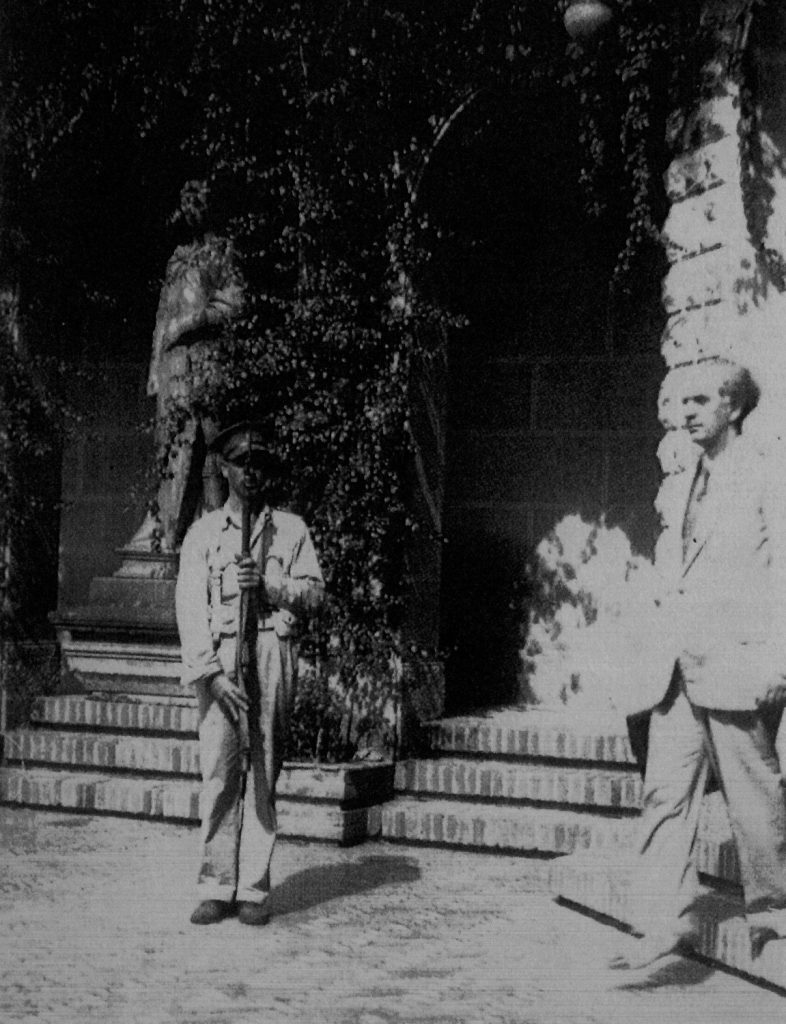
Il governo, guidato da Geōrgios Papandreou , includeva figure di spicco come Tsouderos, Venizelos, Sophianopoulos, e Papandreou. La sede principale era l’Hotel Victoria Maiorino, dove Papandreou presiedeva le riunioni.
The government, led by Geōrgios Papandreou , included prominent figures such as Tsouderos, Venizelos, Sophianopoulos, and Papandreou. Its main headquarters was the Hotel Victoria Maiorino, where Papandreou presided over meetings.
Il 26 settembre 1944 a Caserta, nella stessa città nella quale pochi mesi dopo, alla reggia di Caserta, il 29 aprile 1945, fu firmato l’armistizio tra le truppe alleate e quelle tedesche di occupazione, si tenne una conferenza dalla quale scaturì il Trattato di Caserta, che sancì un accordo tra la delegazione governativa greca, il Comando britannico in Medio Oriente e le rappresentanze delle forze di resistenza greca EDES, EAM ed ELAS.
Tale accordo serviva a garantire la governabilità di Papandreou in vista di un imminente ritorno in patria, consentendo che l’azione del primo ministro greco venisse affiancata militarmente da un presidio britannico. Si stabilì infatti in quella occasione che tutte le forze di resistenza greche avrebbero operato sotto il comando britannico, cercando di evitare una guerra civile imminente e integrando le milizie nel nuovo esercito nazionale.
On 26 September 1944, in Caserta— the same city where a few months later, at the Royal Palace of Caserta, on 29 April 1945, the armistice between the Allied forces and the German occupation troops was signed— a conference was held that led to the Caserta Agreement.
This treaty formalized an agreement between the Greek government delegation, the British Command in the Middle East and the representatives of the Greek resistance forces EDES, EAM, and ELAS.
The agreement was intended to ensure the governability of Papandreou in anticipation of his imminent return to Greece, allowing the actions of the Greek prime minister to be supported militarily by a British garrison. It was agreed that all Greek resistance forces would operate under British command, in an effort to prevent an imminent civil war and to integrate the militias into the new national army.
Il premio Nobel Ghiorgios Seferis compose la poesia intitolata “Ultima tappa” proprio a Cava nel 1944, quando il poeta, allora diplomatico, era al seguito del governo d’esilio greco.
The Nobel Prize winner Ghiorgos Seferis wrote the poem titled “Last Stop” in Cava de’ Tirreni in 1944, when the poet, who was then a diplomat, was accompanying the Greek government in exile.
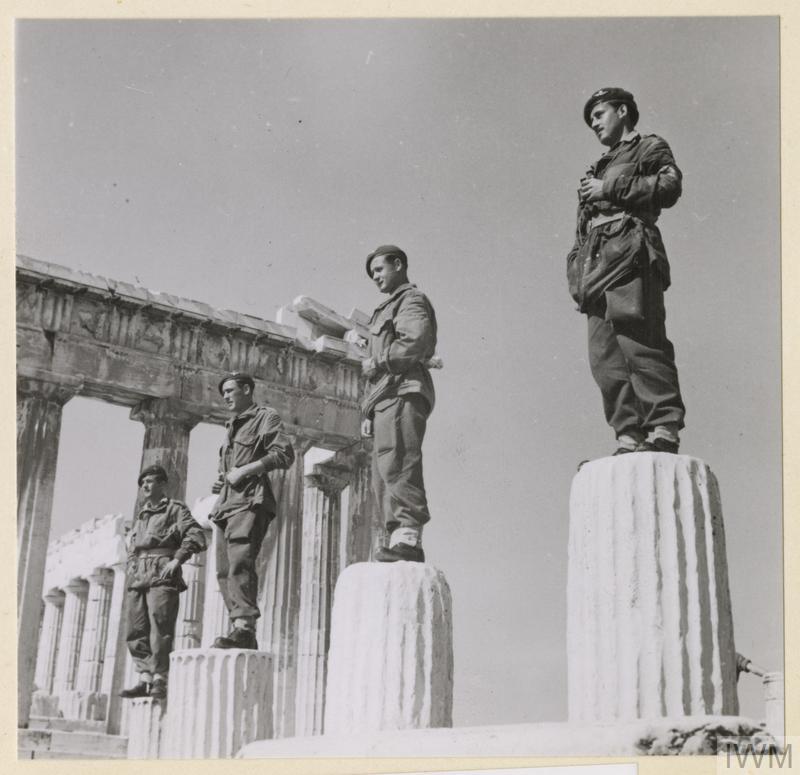
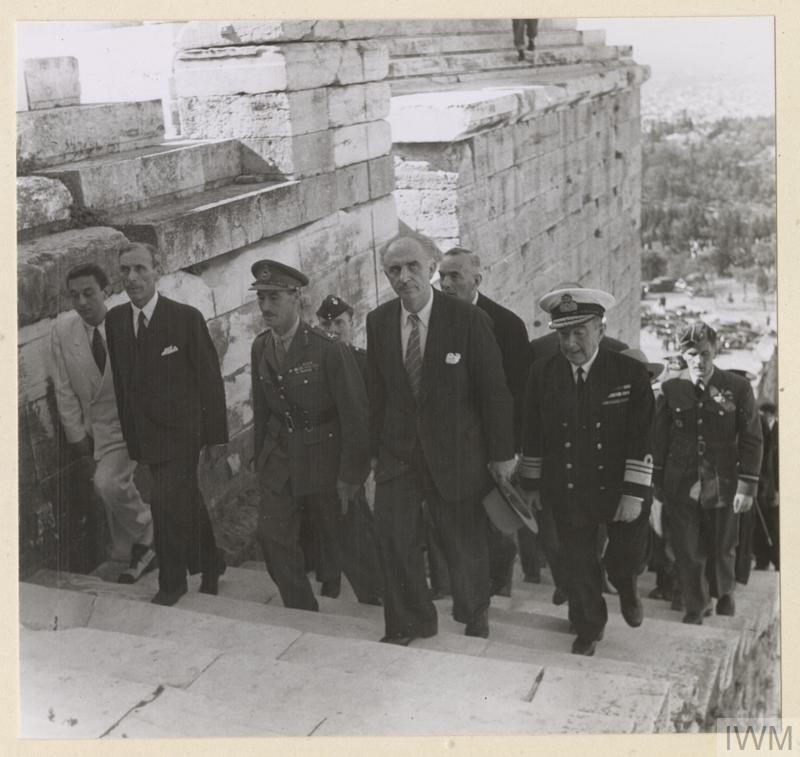
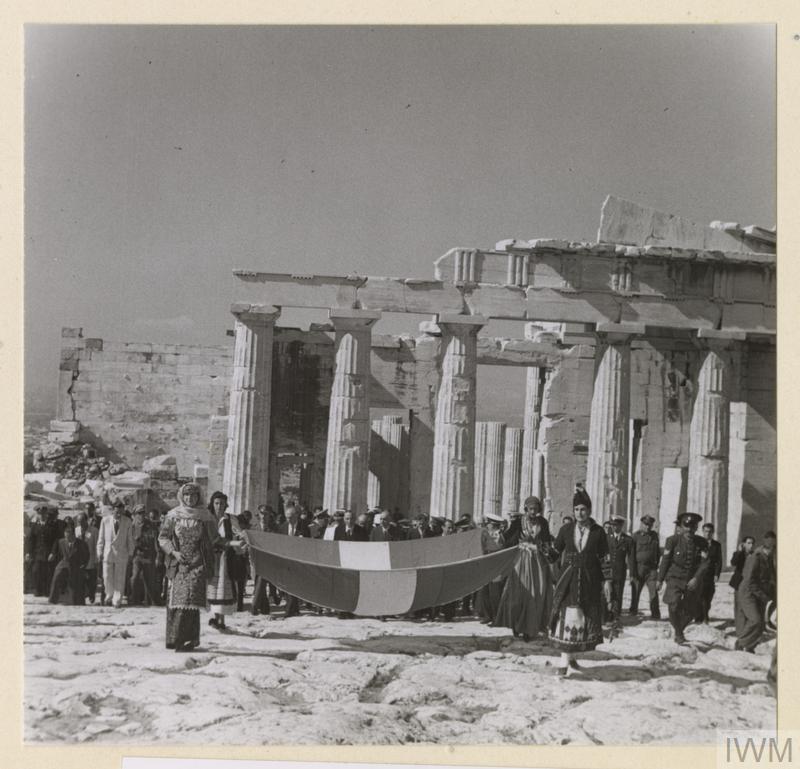
Atene venne liberata dalle truppe inglesi l’11 ottobre del 1944, di lì a qualche giorno Papandreou lascia Cava dei Tirreni e il 19 ottobre si insedia al Parlamento di Atene.
Il governo tornò in patria ma dovette affrontare un Paese devastato e lacerato da divisioni, preludio alla guerra civile greca del 1946-1949.
Athens was liberated by British troops on October 11, 1944. A few days later, Papandreou left Cava de’ Tirreni and on October 19, he took office at the Parliament in Athens.
The government returned to Greece but had to face a country devastated and torn by divisions, a prelude to the Greek Civil War of 1946-1949.