by Federico Battigaglia
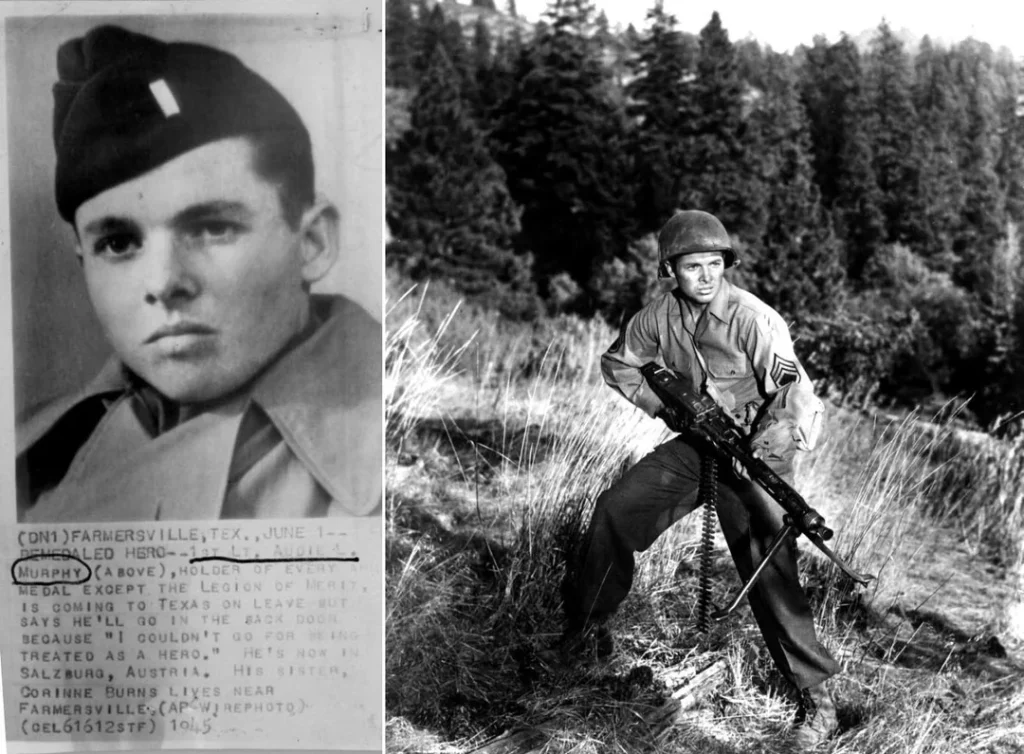
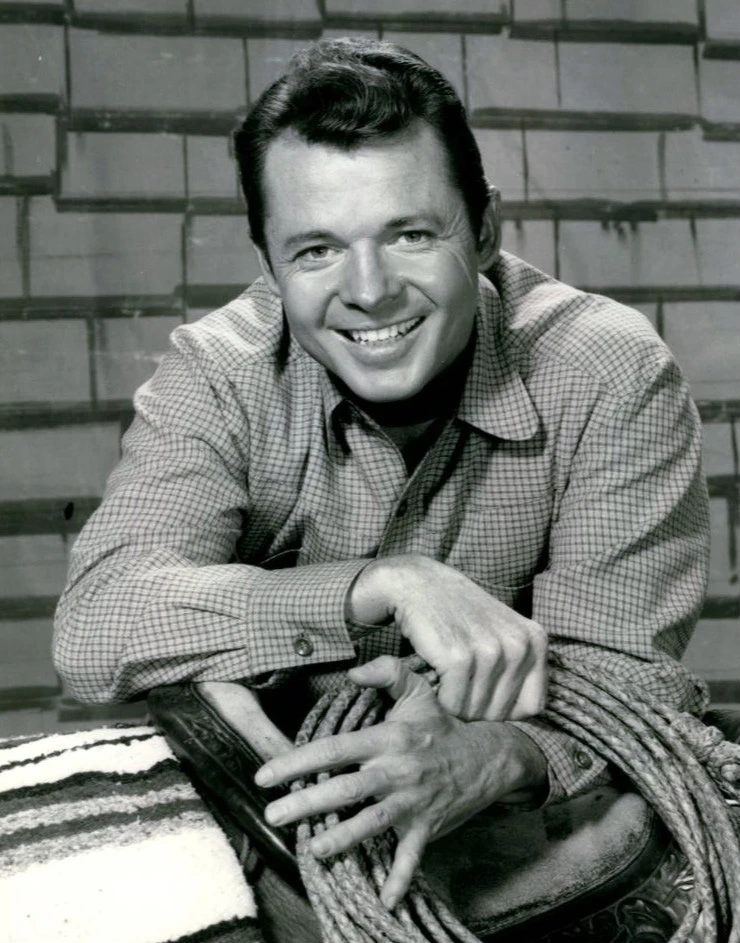
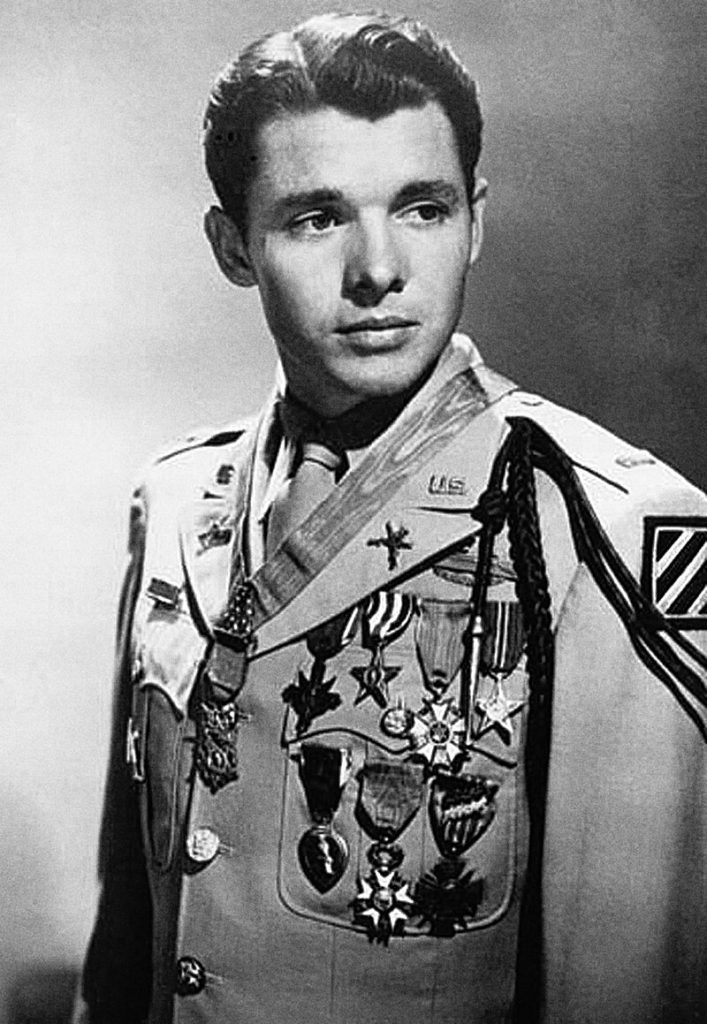
Alcuni degli eroi della seconda guerra acquisirono grande notorietà in patria al punto da essere tentati dall’intraprendere la carriera artistica, come Audie Murphy, protagonista nel 1943 della liberazione di Acerno durante l’operazione Avalanche

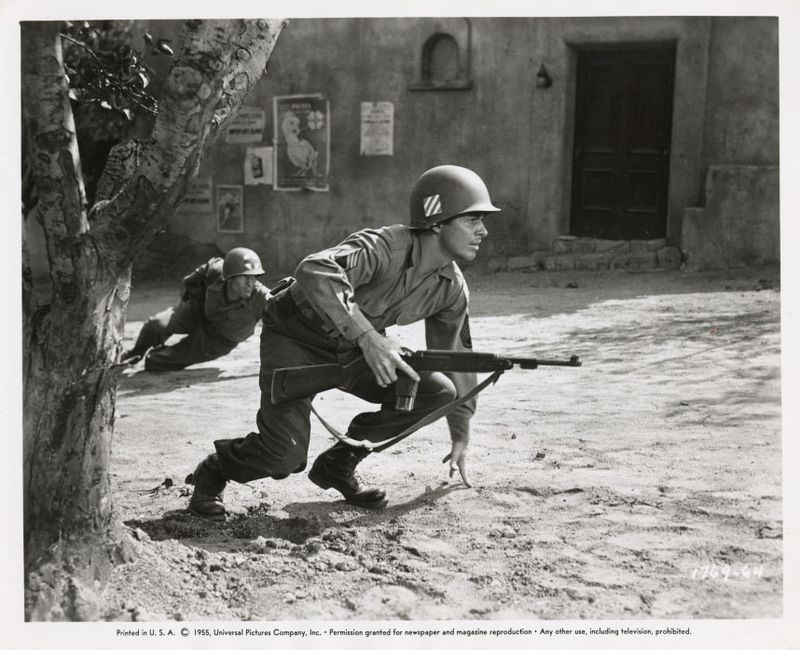
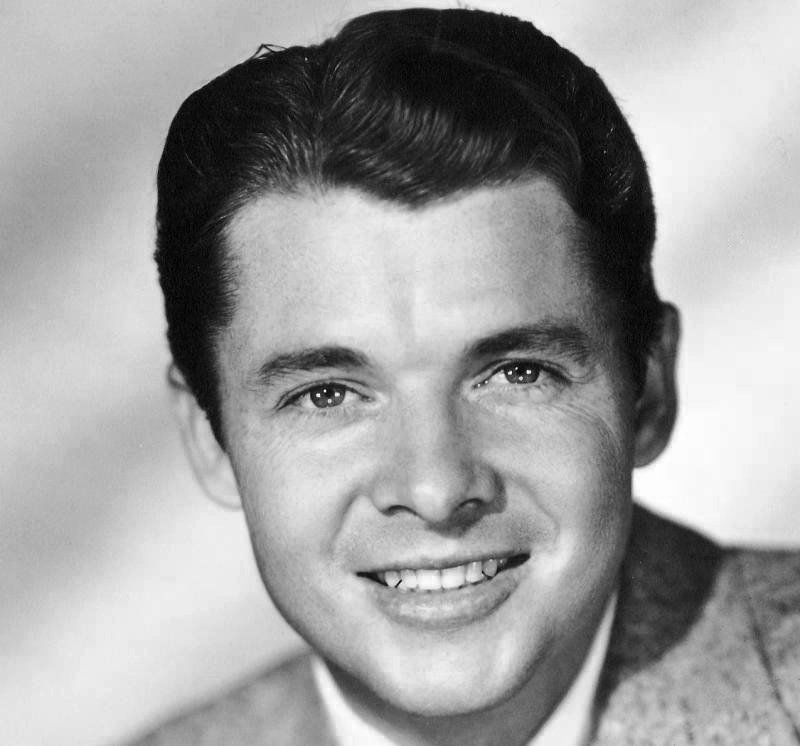
Dopo la guerra, Audie Murphy fu scoperto da James Cagney, un attore e produttore cinematografico, che lo incoraggiò a intraprendere una carriera nel cinema. Fece il suo debutto cinematografico nel 1948 nel film “Beyond Glory”. Negli anni ’50 e ’60, Murphy divenne sempre più presente sul grande schermo, apparendo in diversi film di successo, tra cui “The Red Badge of Courage” (1951), “The Quiet American” (1958) e “The Unforgiven” (1960).
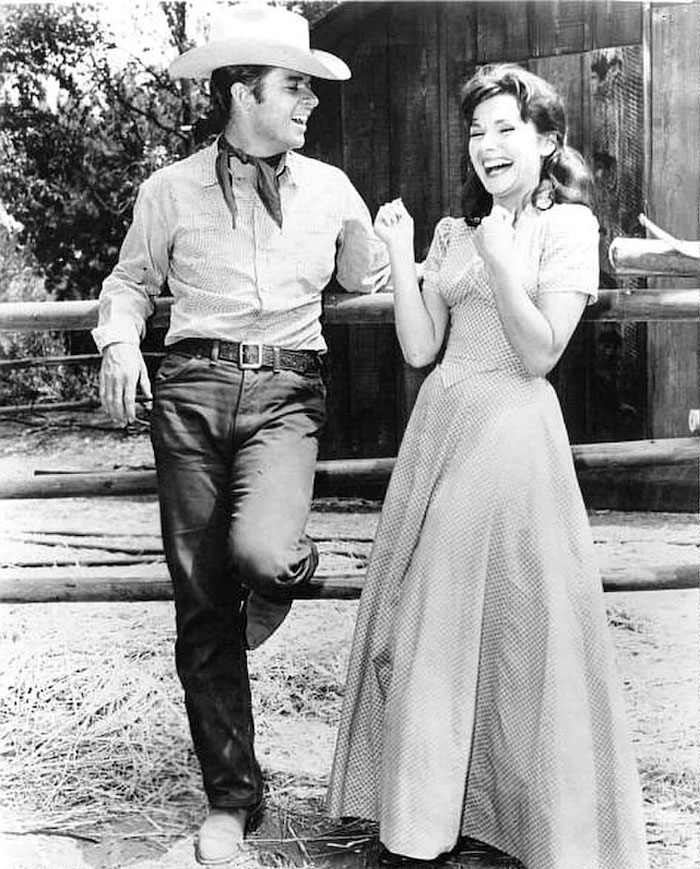
Oltre alla sua carriera cinematografica, Murphy apparve anche in numerosi programmi televisivi, tra cui la serie “Whispering Smith” e “The Guns of Will Sonnett”. Nel corso della sua vita, oltre ad aver ricevuto numerosi riconoscimenti per il suo servizio militare, ne ricevette altrettanti per la sua carriera di attore.
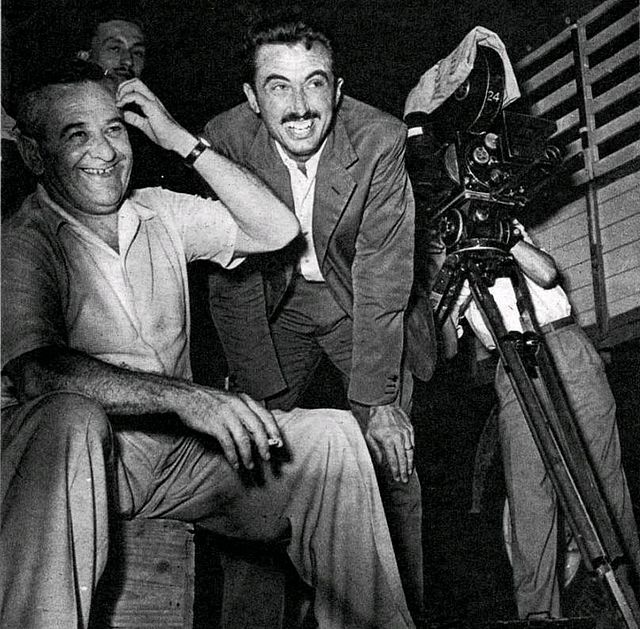
Audie Murphy ha anche lavorato con il famoso regista John Huston durante la sua carriera cinematografica. Nel 1951, ha avuto l’opportunità di collaborare con Huston nel film “The Red Badge of Courage” (Il segno del leone), basato sull’omonimo romanzo di Stephen Crane. Il film racconta la storia di un giovane soldato durante la guerra civile americana e Murphy ha interpretato il ruolo del protagonista, il soldato Henry Fleming. L’incontro con Huston rappresenta un momento significativo nella filmografia di Audie Murphy, che ha continuato a lavorare con successo nel settore cinematografico per molti anni.
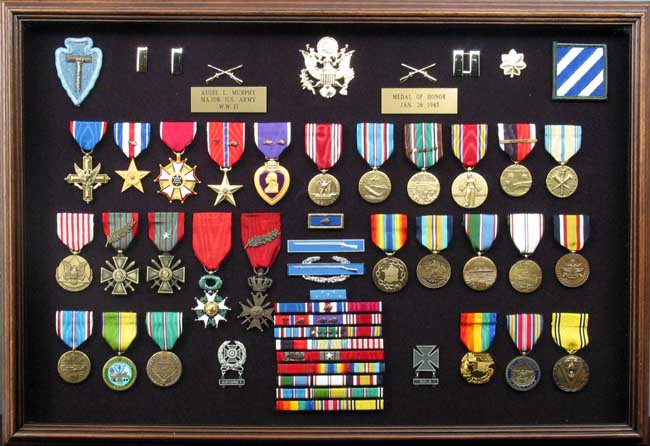
La causa della sua morte è stata un incidente aereo. Mentre si trovava a bordo di un aereo privato, nel 28 maggio 1971, nel veicolo “Lockheed Ventura”, Murphy e altre cinque persone persero la vita quando l’aereo si schiantò in Virginia, l’incidente fu attribuito alle condizioni meteorologiche sfavorevoli e pericolose. Audie Murphy, che aveva ricevuto la Medal of Honor per il suo coraggio e il suo servizio militare durante la Seconda guerra mondiale, è sepolto presso il cimitero nazionale di Arlington, in Virginia.
Sitografia
https://it.wikipedia.org/wiki/Audie_Murphy
ENGLISH VERSION: AUDIE MURPHY: FROM WAR HERO TO THE MAGIC OF THE CINEMA
Some of the heroes of the second war acquired great notoriety in their homeland to the point that they were tempted to pursue artistic careers, such as Audie Murphy, protagonist in 1943 of the liberation of Acerno during Operation Avalanche
After the war, Audie Murphy was discovered by James Cagney, an actor and film producer, who encouraged him to pursue a career in cinema.
Made his film debut in 1948 in the movie “Beyond Glory”. In the 1950s and 1960s, Murphy became increasingly present on the big screen, appearing in several hit films, including “The Red Badge of Courage” (1951), “The Quiet American” (1958) and “The Unforgiven” (1960).
In addition to his film career, Murphy has also appeared on numerous television shows including the series “Whispering Smith” and “The Guns of Will Sonnett”. In the course of his life, he received numerous awards for his military service and also for his career as an actor.
Audie Murphy has also worked with the famous director John Huston during his film career. In 1951, he had the opportunity to collaborate with Huston in the film “The Red Badge of Courage” (The Sign of the Lion), based on the novel of the same name by Stephen Crane. The film tells the story of a young soldier during the American Civil War and Murphy played the lead role, the soldier Henry Fleming. The meeting with Huston represents a significant moment in the filmography of Audie Murphy, who has continued to work successfully in the film industry for many years.
The cause of his death was a plane crash. While on board a private plane, on May 28, 1971, in the vehicle “Lockheed Ventura”, Murphy and five other people lost their lives when the aircraft crashed in Virginia, the accident was attributed to adverse weather conditions and dangerous. Audie Murphy, who received the Medal of Honor for his bravery and military service during World War II, is buried at the national cemetery in Arlington, Virginia.
Certains héros de la Seconde Guerre mondiale ont acquis une grande notoriété dans leur pays, au point d’être tentés par une carrière artistique, comme Audie Murphy, protagoniste en 1943 de la libération d’Acerno lors de l’opération Avalanche.
Après la guerre, Audie Murphy a été découvert par James Cagney, acteur et producteur de cinéma, qui l’a encouragé à se lancer dans une carrière cinématographique. Il a fait sa première apparition au cinéma en 1948 dans le film « Beyond Glory ». Dans les années 1950 et 1960, Murphy est devenu de plus en plus présent sur grand écran, apparaissant dans plusieurs films à succès, parmi lesquels « The Red Badge of Courage » (1951), « The Quiet American » (1958) et « The Unforgiven » (1960).
Outre sa carrière cinématographique, Murphy est également apparu dans de nombreuses émissions de télévision, notamment les séries « Whispering Smith » et « The Guns of Will Sonnett ». Au cours de sa vie, en plus de nombreuses distinctions reçues pour son service militaire, il a également été récompensé pour sa carrière d’acteur.
Audie Murphy a également travaillé avec le célèbre réalisateur John Huston au cours de sa carrière cinématographique. En 1951, il a eu l’occasion de collaborer avec lui dans le film « The Red Badge of Courage » (Le signe du lion), adaptation du roman éponyme de Stephen Crane. Le film raconte l’histoire d’un jeune soldat pendant la guerre de Sécession, et Murphy y a interprété le rôle principal, celui du soldat Henry Fleming. Cette collaboration avec Huston a représenté une étape importante dans la filmographie d’Audie Murphy, qui a poursuivi avec succès sa carrière dans le cinéma pendant de nombreuses années.
La cause de sa mort a été un accident d’avion. Le 28 mai 1971, alors qu’il se trouvait à bord d’un avion privé, un « Lockheed Ventura », Murphy et cinq autres personnes ont perdu la vie lorsque l’appareil s’est écrasé en Virginie. L’accident a été attribué à des conditions météorologiques défavorables. Audie Murphy, qui avait reçu la médaille d’honneur pour son courage et son service militaire durant la Seconde Guerre mondiale, est enterré au cimetière national d’Arlington, en Virginie.
Traduction par Asja Vergati