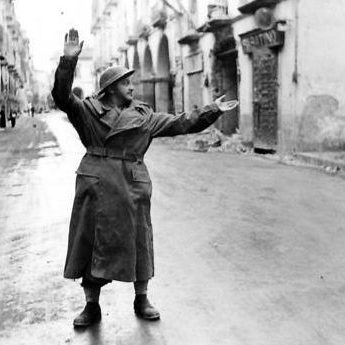
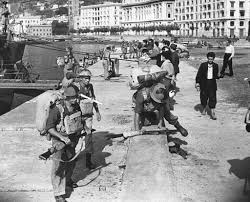
For some women, it was not a matter of fighting to obtain a right: having it was only natural. We are born equal; the difference lies in recognising and granting that equality within a predominantly male-centred culture.
Luigina Forcella explains: ‘I felt it, it was something natural, but I didn’t feel I had to go and fight for a right… it was natural that I should have it. That’s what I thought – you see – that’s what I thought: “Why shouldn’t we have it as well? We should have our own identity too”.’
For women, the achievement of the right to vote represents the attainment of freedom. It means being able to exercise their civic responsibility and contribute to shaping the direction of their time. It is a historic and deeply moving event. Women have a voice in society, and they can use it. They can express their thoughts and give them substance. They can choose. The vote represents their way of seeing and interpreting life.
It is the achievement of many women who committed themselves to securing rights. It is a cultural heritage that must be defended, a victory to be preserved and passed on, together with the memory tied to history. Pain, war and struggle must not be forgotten. What women endured in order to reach this new destiny must not be forgotten. The importance of this act is a form of knowledge to be shared, but also to be assimilated (not all women had a clearly defined political outlook). During elections, women noticed different attitudes among voters; for example, the secrecy of the ballot was not always respected.
In this historical context, as is still the case today, people debated which political direction to pursue: every family had its own political orientation. The choice lay between Christian Democracy, the Italian Communist Party, the Italian Socialist Party, the Action Party, the Italian Liberal Party, the Italian Republican Party and the Labour Democracy. There were, therefore, the political parties as well as the National Liberation Committee. Women educated themselves in order to make a choice. They wanted to decide, and they wanted to do so well. Outside the polling booths there was joy, excitement and a long wait. Women wore their Sunday best, because polling day was a day of celebration. Lipstick was scarce after the war years. Nevertheless, there was a clear recommendation not to wear it. There were many women and, in this act —that marked a real turning point— they were united; they stood together, strong for a new beginning. This watershed moment marked the division between two historical periods; the second one embraced and began to value women. Love for the homeland united all political, religious and cultural spheres. It united humanity, free from prejudice. It was total, unconditional support that highlighted the importance of human cooperation and reciprocity. Fighting in order to become free, to liberate Italy, to liberate women. The vote for women to rebuild Italy; the vote for women to rebuild culture.
Important women involved in securing women’s right to vote and advancing legislation concerning women were members of the Constituent Assembly; they are the Constituent Mothers. They include: Nilde Iotti, Maria Agamben Federici, Laura Bianchini, Elisabetta Conci, Filomena Delli Castelli, Maria De Unterrichter Jervolino, Angela Gotelli, Angela Maria Guidi Cingolani, Maria Nicotra Fiorini, Vittoria Titomanlio, Adele Bei, Nadia Gallico Spano, Teresa Mattei, Angiola Minella, Rita Montagnana, Teresa Noce, Elettra Pollastrini, Maria Maddalena Rossi, Bianca Bianchi, Angelina Livia Merlin, and Ottavia Penna Buscemi.
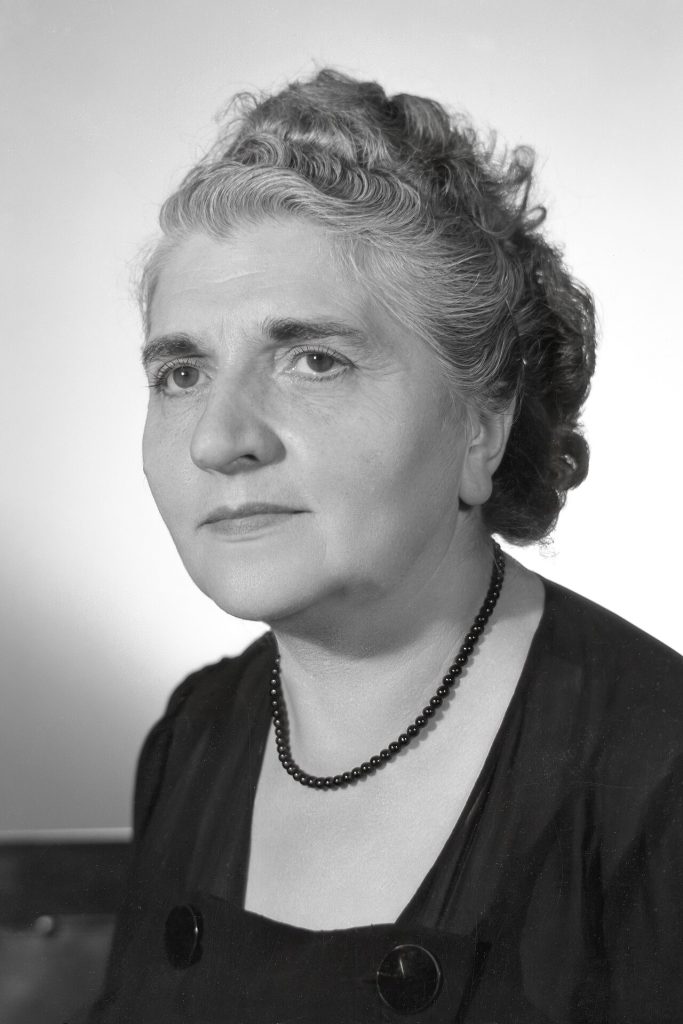
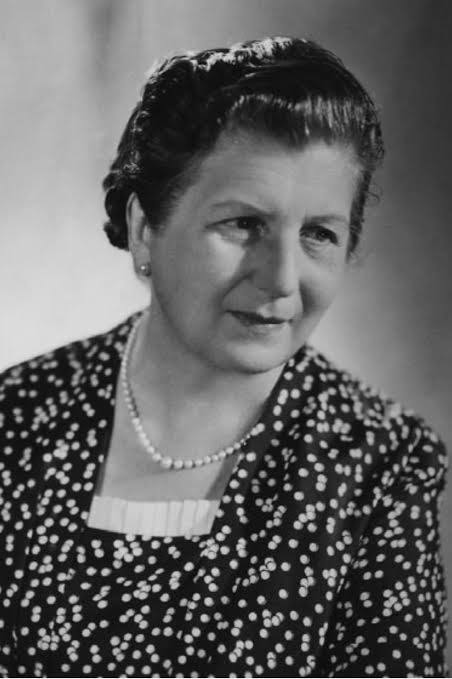
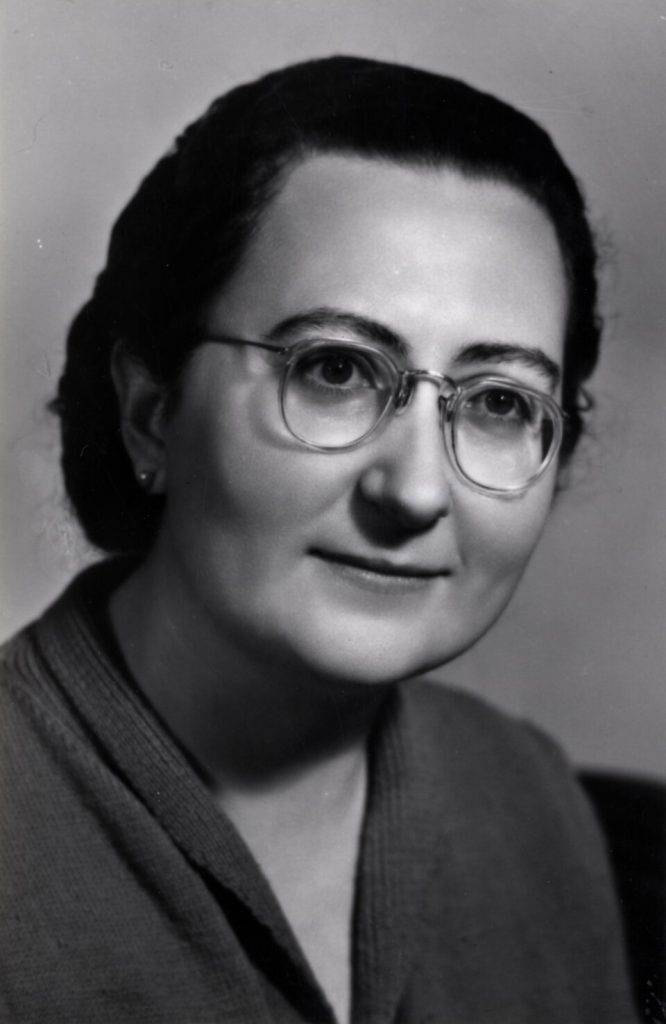
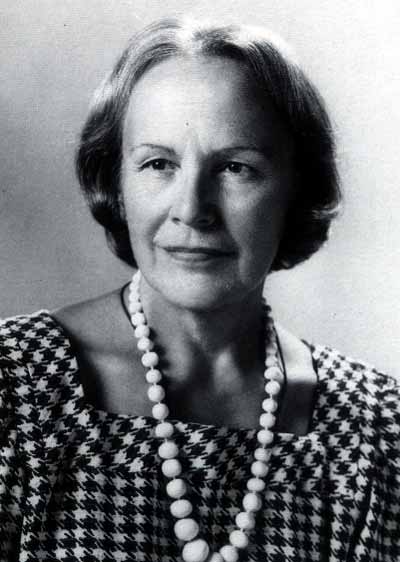
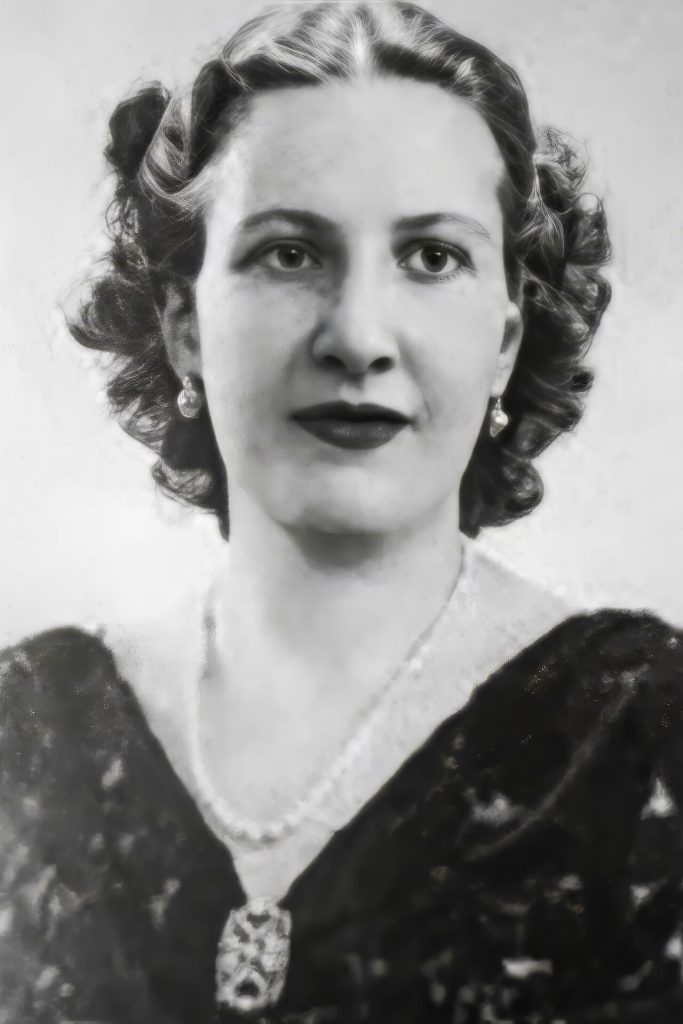
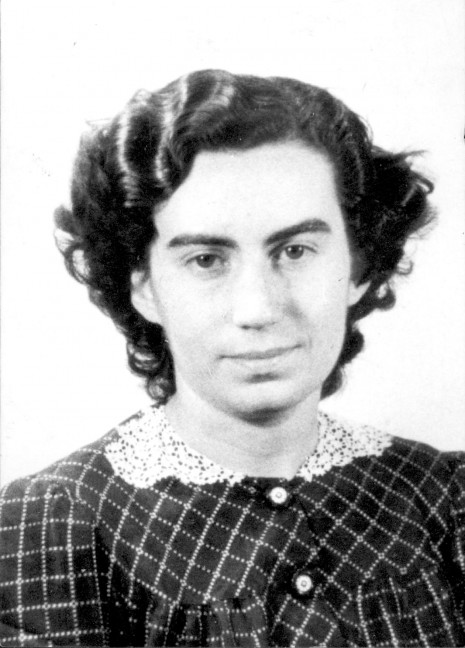
These women helped enshrine principles such as equality between men and women (Article 3), equality in the workplace (Article 37), and women’s access to public office (Article 51) in the Constitution.
In the 19th century, Anna Maria Mozzoni called for women’s right to vote. Indeed, in 1877 she submitted a petition to Parliament. In 1912, Anna Kuliscioff criticised the reform that granted the vote to men while excluding women. She fought for women’s rights in relation to politics and employment.
Women have always moved forward and fought for their dignity. It is essential to remember the importance of history, for better or for worse, in order to continue progressing.
Video: Fausta Monelli (segment 13, “Memoria”, in full).
Fausta Monelli shares her thoughts on the theme of memory: memory and culture are inseparable. Memory is the foundation of everything.
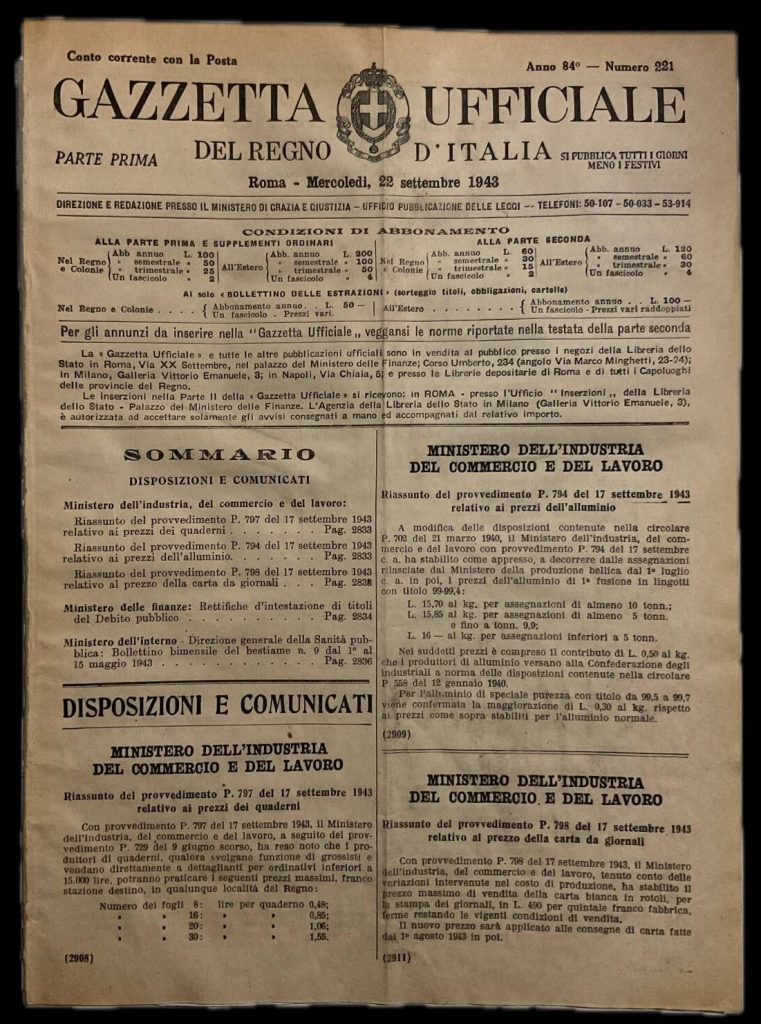
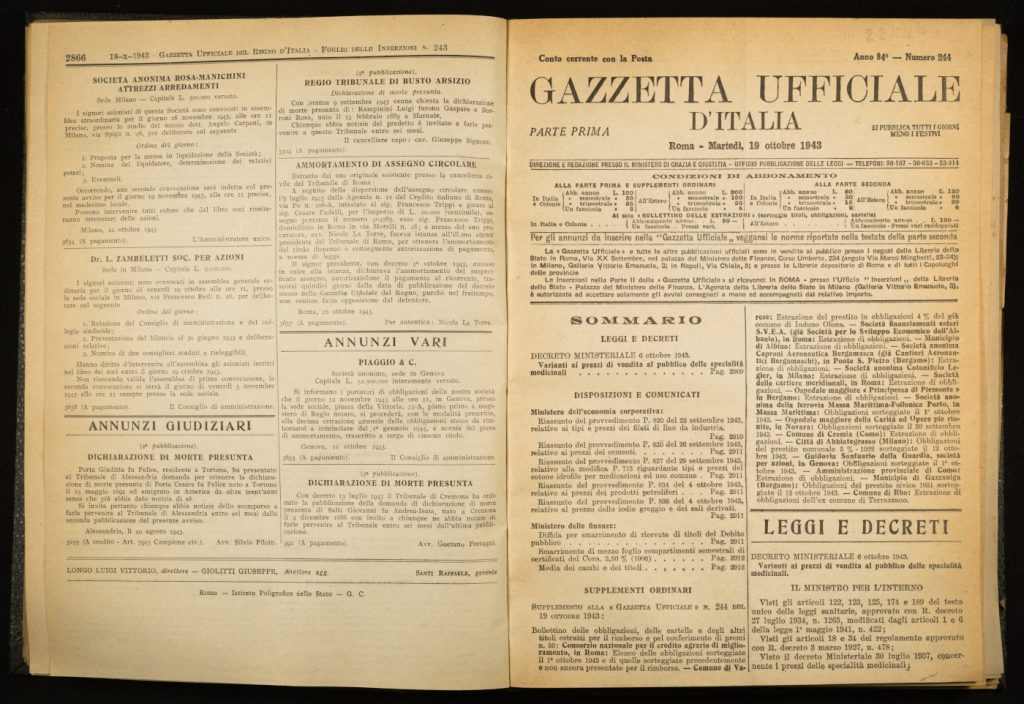
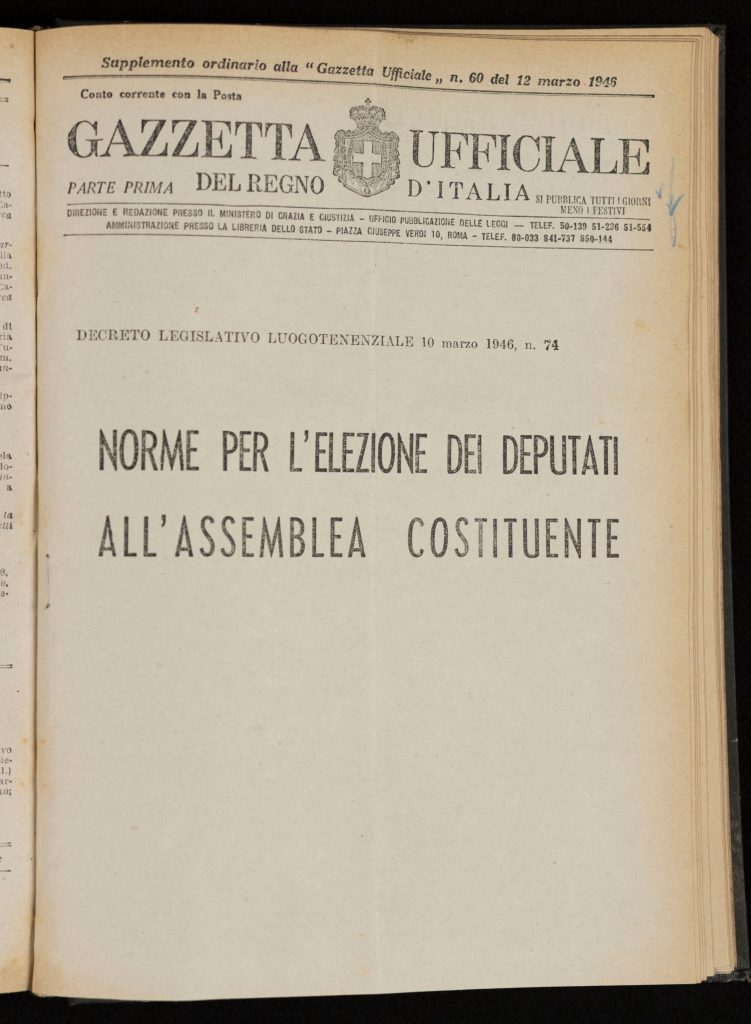
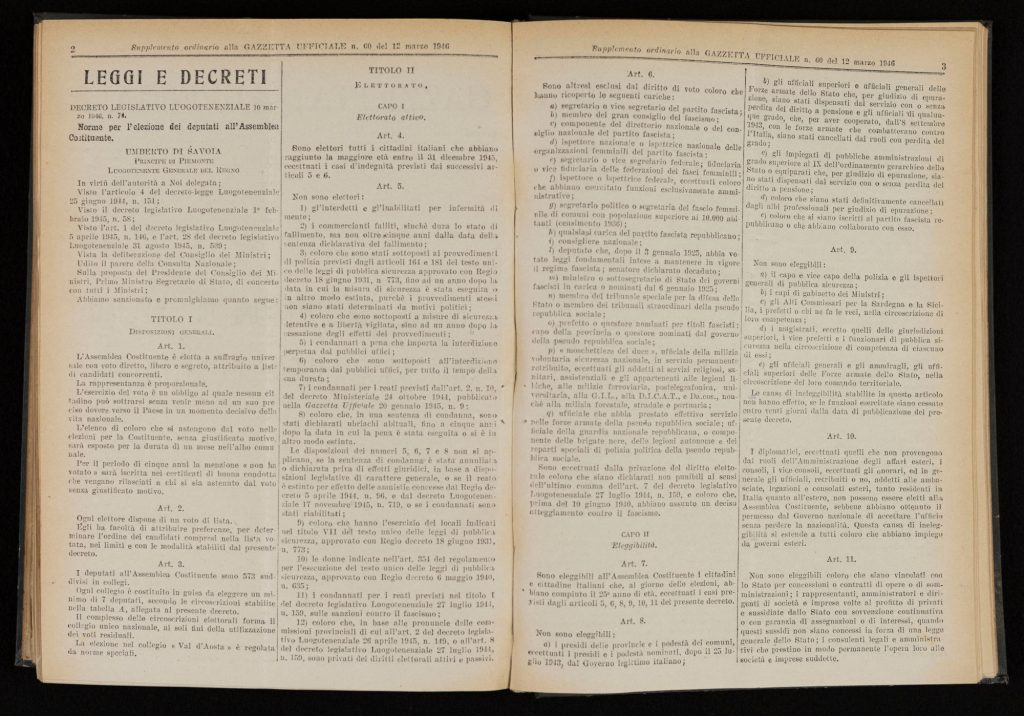
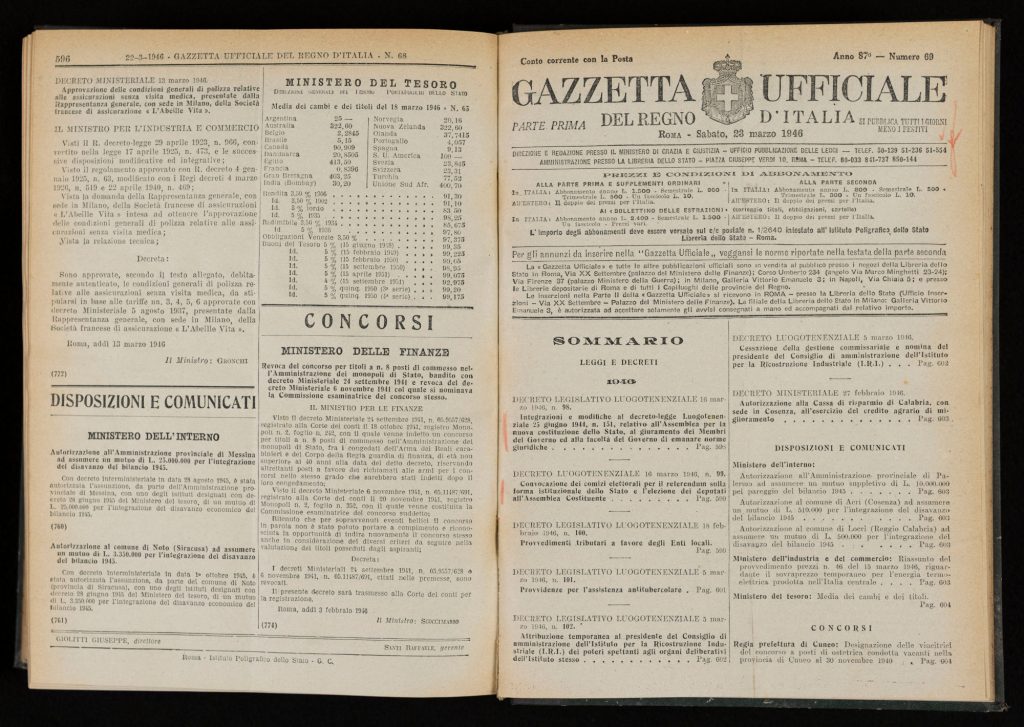
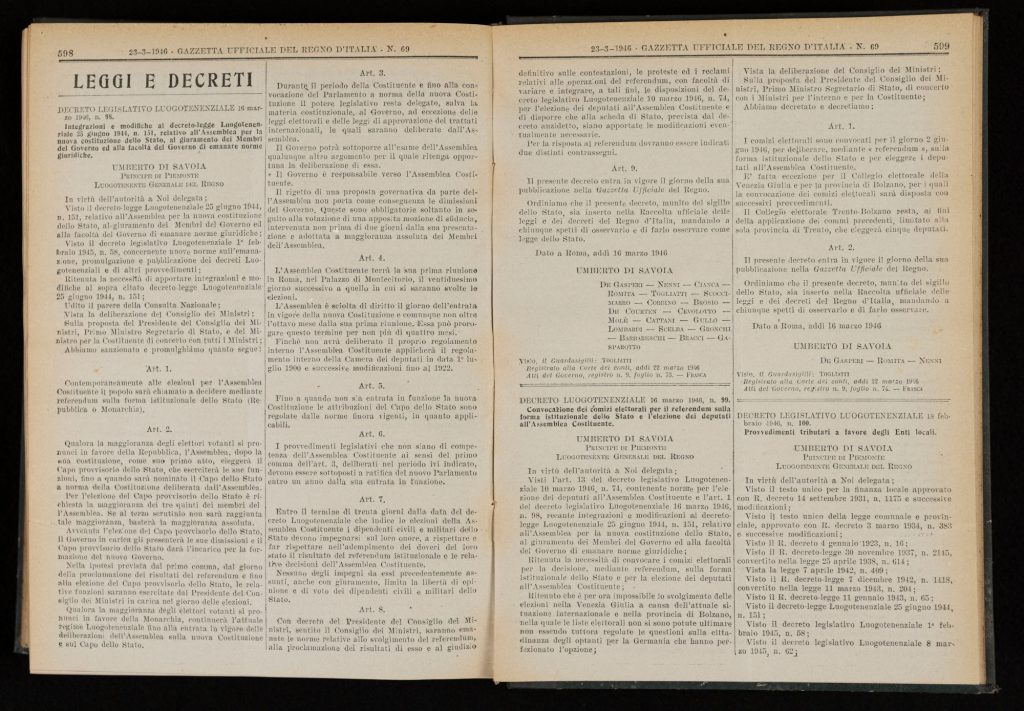
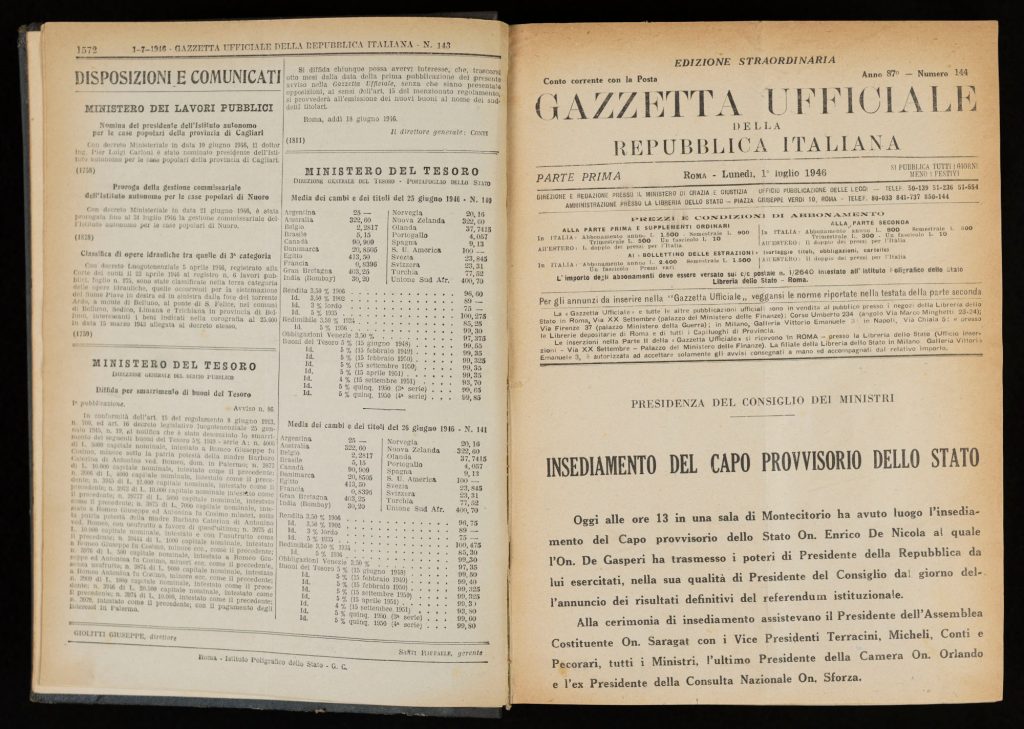
Finally, let us retrace the final stages of 1946 through the images of the Official Gazettes of the Kingdom of Italy from 1946, which became the Official Gazette of the Italian Republic following the outcome of the referendum of 2 June. This brought to a close a troubled period that had begun on 9 September 1943 and which is, in some way, reflected in the publication of these Official Gazettes. Between 9 September and 19 October 1943, the administration of the Official Gazette, which remained in Rome, operated under a complete power vacuum within Italy, becoming a tool of the German command and the Fascists.
On 19 October, the Italian Social Republic established its own Official Gazette of Italy. It was only with the Royal Decree of 30 October 1943 that the Badoglio government formally sanctioned the creation of a special series of the Official Gazette of the Kingdom. Government printing resumed in the South on the following 18 November 1943 in Brindisi. Following the Liberation, the Official Gazette of the Kingdom of Italy once again became the organ responsible for official publications throughout the entire Italian territory.